Seating · Posture
Seating posture for long work sessions.
Last updated: June 3, 2026 · Reading time about 6 minutes
Last updated: June 3, 2026 · Reading time about 6 minutes
A chair used for several hours a day deserves a few minutes of setup. The goal is a position that supports the natural inward curve of the lower back, lets the feet rest flat, and keeps the shoulders relaxed rather than hunched. Even a basic chair can be adjusted toward that posture, and the best position is rarely the one a chair arrives in.
Setting up a chair works best in a sequence, because each adjustment affects the next.
If raising the seat to suit a tall desk leaves your feet dangling, a footrest restores the flat-foot position. A sturdy box or a firm cushion can stand in until a dedicated footrest is available.
Once the chair is set, a comfortable working posture tends to share a few features: the lower back is supported, the head sits over the shoulders rather than forward, the upper arms hang close to the body, and the wrists stay roughly straight while typing. None of this requires sitting rigidly. The aim is a relaxed neutral position you can return to, not a pose to hold.
Over a long session it is easy to slide forward to the edge of the seat and lean toward the screen, which leaves the lower back unsupported. Noticing that drift and sliding back into the chair is one of the simplest corrections, and it is worth doing several times a day rather than once.
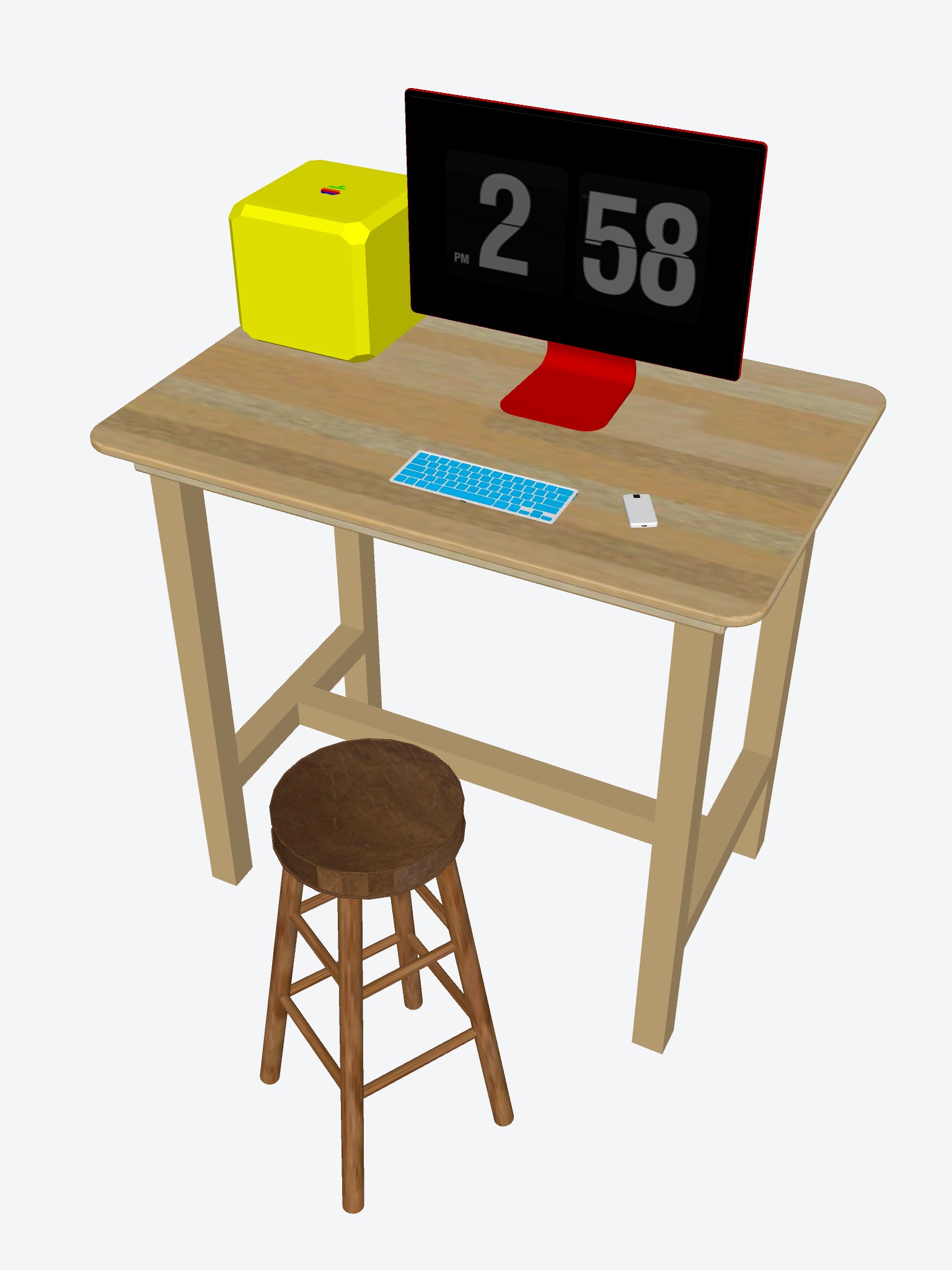
No single posture is meant to be held all day, and changing position is itself a form of relief. A height-adjustable or standing desk lets you alternate between sitting and standing through the day. When standing, the same principles carry over: the screen stays near eye level, the elbows stay near a right angle, and the wrists stay straight.
Standing is not automatically better than sitting; standing still for hours brings its own fatigue. The benefit comes from the change and the movement between the two, so building in regular switches matters more than choosing one over the other.
Working from home removes the small walks that punctuate an office, such as trips to a meeting room or a shared kitchen. Replacing some of that movement deliberately helps:
These habits cost little and tend to do more for comfort than any single piece of furniture.
The Canadian Centre for Occupational Health and Safety offers public guidance on seating and working postures within its office ergonomics resources.